

Dr. Deepak Kumar Jha

Dr. Deepak Kumar Jha’s research in agricultural science addresses both pre- and post-harvest stresses, focusing on the physiological and biochemical effects of biotic and abiotic factors across a range of root and fruit crops, including tomatoes, carrots, peppers, melons, and onions. His primary interest lies in stress-induced activation of biosynthetic pathways and the modulation of metabolic flux towards secondary metabolite precursors, which are crucial for synthesizing health-beneficial compounds. Currently, Dr. Jha’s work is centered on the physiological and biochemical aspects of plant development, with an emphasis on improving the nutritional quality and resilience of crops. His research on abiotic stress hormesis—particularly its beneficial effects on extending storability and maintaining the postharvest quality of tomatoes—has provided valuable insights into how stress alters fruit physiology, modifies metabolite pools, and enhances plant stress responses. Notably, his studies demonstrate how stress factors like light exposure, temperature, and ultrasound, when applied at hormetic doses, influence the accumulation of beneficial compounds in tomatoes. Dr. Jha’s interdisciplinary approach, combining plant physiology, stress physiology, metabolomics, and sustainable agriculture, continues to drive innovations aimed at improving crop productivity and quality amid changing environmental conditions.
Web presence
Google scholar: https://scholar.google.ca/citations?user=4Bx24BoAAAAJ&hl=en
LinkedIn: https://www.linkedin.com/in/deepak-kumar-jha-65a5879b
ORCID: https://orcid.org/0000-0002-9769-666X
Dr. Vikas Dadwal
Dr. Dadwal applied an interdisciplinary approach, integrating biochemistry, plant and food science, analytical chemistry, and pharmacology. This extensive approach enabled him to gain in-depth knowledge about the role of plant bioactive compounds in human health, improve extraction processes, perform metabolomics using UHPLC-QTOF-IMS, develop and novel hydrogels and emulsions based controlled drug delivery, conduct in vitro cell culture studies, and investigate in vivo antioxidant pharmacokinetics.
Dr. Dadwal is presently working as a Postdoctoral Research Associate at Texas A&M University’s Vegetables and Fruits Improvement Centre (VFIC), where he is working on developing novel analytical methods for metabolite characterization in plants, microorganisms, and animals, utilizing both targeted and untargeted approaches. In addition, he is focusing on developing pre/probiotic models and identifying postbiotics. His research seeks to comprehend the complexity of the gut microbiome using postbiotic chemistry, with the ultimate goal of preventing illnesses based on diet.
Web presence
Google scholar: https://scholar.google.com/citations?user=O4uhLz0AAAAJ&hl=en
LinkedIn: https://www.linkedin.com/in/vikas-dadwal-phd-61662b49/
ORCID: https://orcid.org/0000-0002-2709-0486
Dr. Debanjan Chatterjee
Debanjan Chatterjee, PhD, is a dedicated researcher specializing in natural products chemistry and pharmacological studies. He earned his B.Pharm in 2017, followed by an M.S. (Pharm) from the National Institute of Pharmaceutical Education and Research (NIPER), Ahmedabad, in 2019. He completed his PhD in 2024 under the mentorship of Prof. Inder Pal Singh at NIPER, Mohali, focusing on natural products. Currently, he serves as a Postdoctoral Research Associate at Texas A&M AgriLife Research.
Debanjan’s research delves into the chemical basis of detoxification processes for toxic medicinal plants. Utilizing advanced analytical techniques such as quantitative NMR (qNMR), LC-HRMS, and HPTLC, he has made significant contributions to secondary metabolite profiling. His expertise extends to isolating and characterizing bioactive natural compounds, which have supported key projects of the Indian Pharmacopoeia Commission. Beyond his core work in natural product chemistry, Dr. Chatterjee is actively involved in computational drug design, network pharmacology, and toxicology studies. His interdisciplinary approach integrates in silico methodologies with traditional medicine, pushing the boundaries of natural product research. A scientist driven by curiosity and precision, Dr. Chatterjee aims to tackle critical challenges in science and technology, leveraging his expertise in natural products to advance health and innovation.
Web presence
Debanjan_google scholar
https://scholar.google.com/citations?user=9wdVDiUAAAAJ&hl=en&oi=ao
Debanjan_Linkedin
https://www.linkedin.com/in/debanjan-chatterjee-30463412a/
Debanjan_orcid
https://orcid.org/0000-0002-2621-7553
Dr. Niharika Kaushal
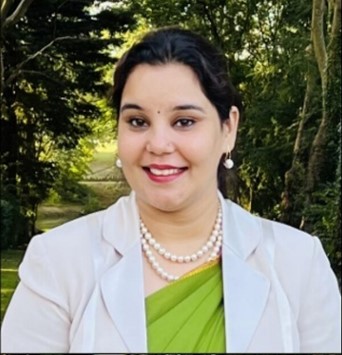
Dr. Kaushal is engaged in interdisciplinary studies focused on developing food formulations and studying the release behaviours of bioactive compounds, agrowaste utilization for value addition, and advanced food analytics. Her research has contributed significantly to the development of innovative food formulations designed for targeted health benefits. Her work includes studying the release behaviour of bioactives in simulated gastrointestinal environments and formulating delivery systems such as encapsulated carriers to improve bioavailability. She is actively engaged in agrowaste utilization for value addition and applies food analytics to support the development of functional foods. Her research bridges sustainability and health with the goal of translating scientific findings into practical, health-promoting food solutions.
Currently, she serves as a Postdoctoral Research Associate at Texas A&M AgriLife Research. At the Vegetable and Fruit Improvement Center, Dr. Kaushal’s research focuses on volatilomics in tomatoes, with an emphasis on identifying and analyzing novel flavor- and aroma-related volatile compounds using Gas Chromatography-Mass Spectrometry (GC-MS) and comprehensive two-dimensional Gas Chromatography-Mass Spectrometry (GC×GC-MS). She aims to understand how environmental stress like heat and drought influence the volatile compounds in tomato varieties. By identifying specific volatiles associated with stress resilience and desirable traits, this work will help inform breeding strategies for developing climate-resilient tomato cultivars without compromising flavour and quality.
Web presence
Google scholar
https://scholar.google.com/citations?hl=en&user=xAXVHj0AAAAJ
Linkedin
https://www.linkedin.com/in/dr-niharika-kaushal-8a35b531b/
Dr. Prabha Bernard

Dr. Prabha Bernard earned a B.Sc. in Chemistry, a B.Ed. in Physical Science, and an M.Sc. in Chemistry from the University of Kerala, India. She received her Ph.D. in Natural Product Chemistry from the same institution in 2019. Since 2013, she has been engaged in multidisciplinary research at the CSIR–National Institute for Interdisciplinary Science and Technology (CSIR–NIIST), Thiruvananthapuram, India. She is currently a Postdoctoral Research Associate at Texas A&M AgriLife Research, College Station, Texas.
Her doctoral research focused on the isolation, structural characterization, and bioactivity evaluation of secondary metabolites from rare and endangered plant species of the Western Ghats, Kerala, India, with an emphasis on their anti-inflammatory, antidiabetic, and anticancer properties. She successfully isolated and characterized seven previously undescribed molecules using advanced analytical techniques, including 1D/2D NMR (¹H–¹H COSY, DQF COSY, HSQC, HMQC, HMBC, TOCSY, NOESY, ROESY, 1D NOE/ROE), HRMS, ECD, and single-crystal XRD. Dr. Bernard has also contributed to research in synthetic and organic photochemistry, including Rh-/Ru-catalyzed C–H activation, multistep organic synthesis, Lewis acid-catalyzed reactions, and the photoinduced transannular cyclization of Zerumbone. She designed and synthesized iridium-based photosensitizers for nanoparticle-mediated phototherapy targeting breast cancer. Her current postdoctoral research investigates the immunometabolic effects and underlying mechanisms of Momordica charantia in liver disease models. By integrating her expertise in natural product chemistry, pharmacology, and mechanistic studies, Dr. Bernard aims to advance therapeutic understanding of plant-derived modulators of metabolic health.
Web presence
Dr. Sangeeta Balyan

Dr. Sangeeta Balyan’s research expertise at the Vegetable and Fruit Improvement Center (VFIC), Texas A&M University, focuses on developing innovative, sustainable, and bio-based technologies for improving food quality, safety, and the delivery of health-promoting compounds. Her research emphasizes microbial exopolysaccharides (EPS) as natural encapsulating and stabilizing agents for bioactive compounds, with the goal of enhancing their stability, delivery, functionality, and potential health benefits. She investigates EPS-mediated encapsulation systems, nanoemulsions, and biopolymer-based formulations for protecting plant-derived bioactives and essential oil components, including eugenol and limonene, against degradation and improving their suitability for food applications. Her work also explores the physicochemical, emulsifying, and functional properties of microbial exopolysaccharides for developing effective delivery systems, alongside the antimicrobial potential of these technologies to inhibit bacterial growth and biofilm formation on food-contact surfaces and fresh produce. In addition, her research addresses the stability, gastrointestinal behavior, and bioaccessibility of encapsulated bioactive compounds, with potential applications in functional foods, food preservation, and gut health. By integrating food microbiology, biopolymer science, encapsulation technology, and food safety, her research contributes to the development of natural alternatives to conventional food preservatives and advanced delivery platforms that enhance the effectiveness of plant-derived bioactives, improve produce safety and shelf life, and support the development of value-added foods with potential human health benefits.
Web presence
LinkedIn: https://www.linkedin.com/in/sangeetabalyan
Google Scholar: https://scholar.google.com/citations?user=3VCaxOkAAAAJ&hl=en
Dr. Udita Pushpad

Dr. Udita Pushpad is a microbiologist and plant–microbe interaction researcher with expertise in plant microbiomes, beneficial endophytes, abiotic stress biology, microbial ecology, and multi-omics approaches. She earned her Ph.D. in Microbiology from ICAR–Indian Agricultural Research Institute (ICAR-IARI), New Delhi, where her research focused on the structural and functional dynamics of cereal root-associated microbiomes across contrasting hot- and cold-arid agroecosystems and their role in supporting plant performance under moisture-deficit conditions. Her work revealed distinct patterns of root microbiome assembly shaped by environmental filtering and host selection and identified drought-tolerant bacterial endophytes that enhanced wheat growth and physiological performance under water stress. By integrating microbiome profiling, culture-based microbial isolation, plant physiological and biochemical analyses, root phenotyping, and transcriptomics, she further demonstrated links between beneficial endophytes, root system responses, plant water status, antioxidant defense, and drought-responsive molecular pathways.
Currently, as a Postdoctoral Research Associate at the Vegetable and Fruit Improvement Center, Texas A&M AgriLife Research, she is studying the interactions between tomato-derived bioactive compounds and beneficial gut microorganisms. Her work focuses on understanding how plant bioactives influence gut microbial growth and function, with the broader goal of exploring their potential to promote gut health.
Web presence
LinkedIn: https://www.linkedin.com/in/uditapushpad
ORCID: https://orcid.org/0009-0006-4877-8737
Google Scholar: https://scholar.google.com/citations?user=NWff2LIAAAAJ&hl=en